
Braces and aligners correct tooth position. When the jaws themselves are misaligned, orthognathic surgery is needed to move the bones so the teeth can meet in a stable bite.

Orthognathic Surgery in Mt. Prospect, Elk Grove Village, Bartlett and Chicago, IL: What Patients Should Know
Orthognathic surgery, often called corrective jaw surgery, helps realign the jaws when growth patterns, injury, or anatomy cause a mismatch between the upper and lower jaws. This guide outlines when jaw surgery is considered, how treatment is planned, and what recovery involves for patients.
Orthognathic Surgery Explained
Orthognathic surgery in Mt. Prospect, Elk Grove Village, Bartlett and Chicago, Illinois, is a coordinated treatment that combines surgical jaw repositioning with orthodontics to correct bite problems that braces or aligners alone cannot fix. It is used for skeletal open bites, significant underbites and overbites, crossbites, facial asymmetry, chewing difficulty, speech issues related to jaw position, and some airway concerns such as obstructive sleep apnea. By moving the jaws to a healthier position, the teeth can meet properly, muscles work more efficiently, and facial proportions often appear more balanced.
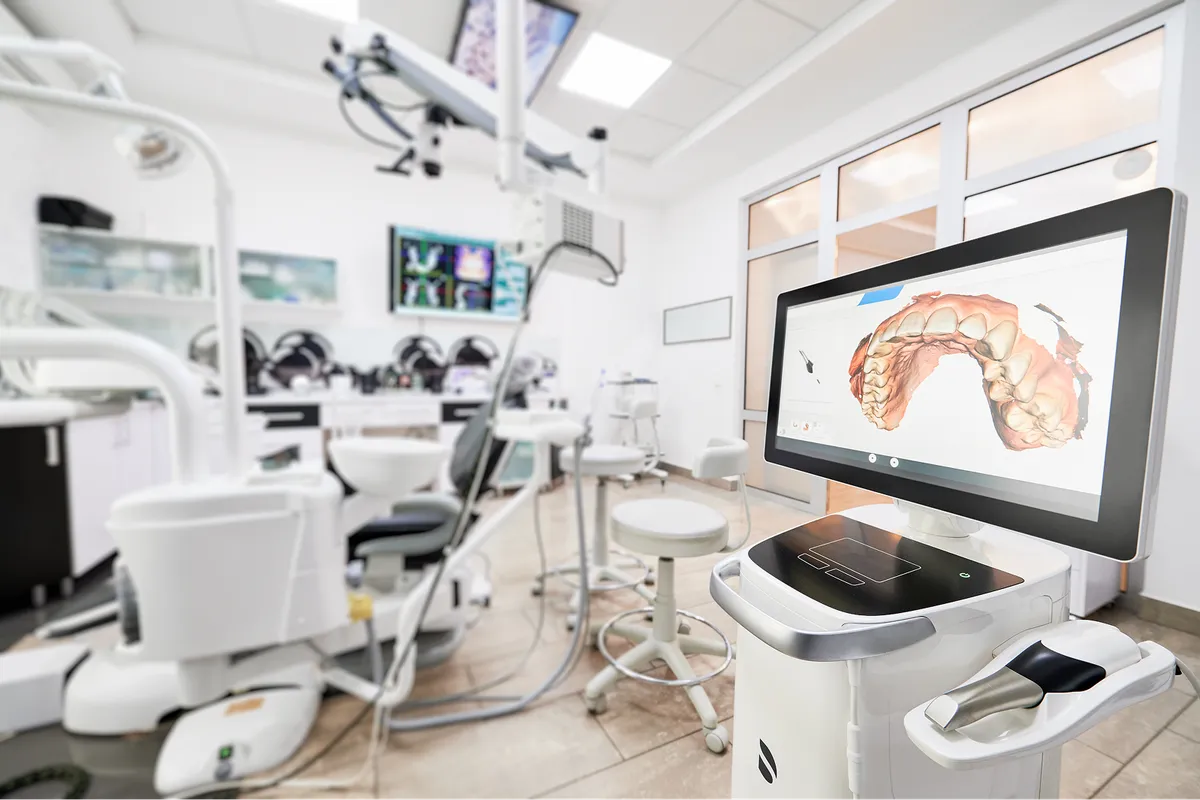
Planning is detailed and precise. Dentists and surgeons use photographs, dental models, and 3D imaging to map jaw movements. This digital planning helps anticipate how the bite will fit, how the face will look from different angles, and how to protect nerves and tooth roots during surgery.
Benefits of Orthognathic Surgery
- Improved bite function for more comfortable chewing and speaking.
- More balanced facial proportions and profile in many cases.
- Potential reduction in jaw joint strain and muscle fatigue.
- Broader airway in select patients, which may help certain sleep apnea cases.
- Stable, long-term correction when combined with orthodontic treatment.
How Orthognathic Surgery Works
Evaluation And Planning
A thorough exam reviews dental health, jaw position, and symptoms. Imaging such as panoramic X-rays and cone beam CT scans informs a step-by-step plan. Virtual surgical planning and custom guides may be used to enhance accuracy.
Orthodontic Phase
Most patients complete a period of pre-surgical orthodontics with braces or clear aligners to place teeth in the correct positions for surgery. After healing, a short post-surgical orthodontic phase fine-tunes the bite.
The Procedure
Jaw surgery is performed in the hospital or a surgical center under general anesthesia. Incisions are typically inside the mouth, so visible scars are uncommon. Our oral surgeons will reposition the upper jaw (maxilla), lower jaw (mandible), or both, then secures the new positions using small titanium plates and screws.
Fixation And Healing
With modern rigid fixation, jaws are usually not wired shut. Light elastics may guide the bite. Most patients stay one to two nights in the hospital, though this varies by case. Initial healing takes about six weeks, while full bone remodeling continues for several months.
What to Expect
Before Surgery
- Medical review and imaging help confirm the plan and timing.
- Instructions may include adjusting medications and avoiding smoking.
- Patients are advised to arrange help at home and prepare a soft diet.
After Surgery
- Swelling, bruising, and temporary numbness are common and improve over weeks.
- Pain is usually managed with prescribed medications and cold compresses.
- A soft or liquid diet is recommended while the jaws heal.
- Most people return to school or desk work in one to two weeks, with no contact sports until cleared.
- Orthodontic finishing typically lasts several months to lock in the bite.
Every person heals at a different pace. Recovery time after orthognathic surgery depends on procedure complexity, overall health, and adherence to home care instructions.
For questions about orthognathic surgery in Mt. Prospect, Elk Grove Village, Bartlett and Chicago, IL, or to request a consultation, contact Associates For Oral, Maxillofacial & Implant Surgery, LTD. Appointments are available with Dr. Russell P. Spinazze, Dr. Mark A. Spinazze, or Dr. Eliza P. Drobny.

Orthognathic Surgery
Schedule a Consultation
Ready to learn more about orthognathic surgery? Contact our office today to schedule your personalized consultation.
Frequently Asked Questions About Orthognathic Surgery
Most daily activities resume within one to two weeks, with soft foods for several weeks. Early bone healing is about six weeks, and full healing continues for several months.
Possible risks include bleeding, infection, temporary or persistent numbness, tooth or nerve injury, bite changes that require adjustment, hardware irritation, and need for additional procedures.
Most modern cases use rigid fixation with plates and screws, so jaws are not wired shut. Elastics may be used to guide the bite during early healing.
Jaw repositioning often refines facial balance and profile. Planning tools can preview expected changes, but final results vary with anatomy and healing.

Contact Us Today
Schedule Your Consultation